Bulk Ammunition: Stock Up Smarter Without Sacrificing Quality
Running low on rounds just when you need them most is a frustrating interruption to any practice session, and that is exactly the problem bulk ammunition solves by providing a large, ready supply in a single purchase. 5.7x28mm Ammo for Sale This ammo comes in simple, high-volume packaging like boxes or loose-packed cans, delivering standard cartridges that function exactly like their smaller counterparts in your firearm. By buying in larger quantities, you cut down on per-round cost and reduce the frequency of trips to the store, letting you spend more time shooting and less time worrying about your stash. Bulk ammunition ensures you have consistent, dependable rounds on hand whenever range time calls.

What Exactly Counts as Bulk Ammunition and Why Buy It That Way?
Bulk ammunition typically means projectiles sold in large quantities—often 250 to 1,000+ rounds—without individual retail packaging, usually loose in a box or bag, or as sealed 50-round boxes bundled together. It excludes reloaded, remanufactured, or mixed-headstamp rounds unless explicitly labeled as such; the term strictly refers to factory-new cartridges in high-count packaging. Why buy it that way? The primary reason is cost-per-round savings, which can reach 10–30% versus small boxes, because you skip per-item packaging and handling. It also ensures consistency for high-volume practice, zeroing, or competition, where 100-round boxes would force constant repurchasing. What counts as bulk? If it’s over 200 rounds and doesn’t come in individual 20-round boxes, it’s bulk; otherwise, it’s standard retail. Q: Is 500 rounds of .22 LR in a loose plastic bag bulk? A: .17 HMR Ammo for Sale Yes, if factory-new and sold as one quantity, it qualifies. Bulk buying is ideal for plinking or training, but store it in sealed ammo cans with desiccant to prevent moisture damage.
The Real Cost-Per-Round Math You Should Run Before Ordering
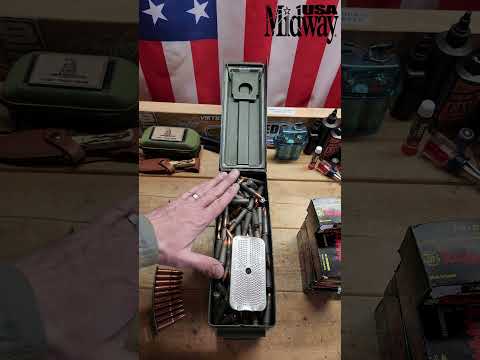
Before ordering bulk ammunition, calculate **true cost-per-round** beyond 7.62×39 Ammo for Sale the sticker price. Divide the total case price by round count, then add shipping, taxes, and any handling fees—this often raises the figure by 3–8%. Compare this adjusted rate against buying boxes of 50 at a local store, factoring in your drive time and fuel. If the delivered cost-per-round is within 2 cents of retail, bulk loses its advantage unless you shoot weekly. Also account for storage costs (ammo cans, desiccant) and potential waste if you don’t rotate stock. A simple spreadsheet or calculator app works; run the math for 500, 1,000, and 2,000 round quantities to see where per-unit savings flatten. Hidden fees can erase bulk savings, so always request a final out-the-door quote before committing.
Q: How do I calculate bulk ammo’s real cost-per-round if I only shoot 200 rounds monthly?
A: Divide total landed cost (price + shipping + tax) by round count. For 1,000 rounds at $320 delivered plus $15 shipping and $25 tax, that’s $360 ÷ 1,000 = $0.36/round. Compare that to $0.40/round for boxes; you save $40, but if those rounds sit for 5 months, add $0.01/round for moisture-control packs—still worth it.
Common Calibers and Grain Weights You’ll Find in Large-Lot Boxes
Large-lot boxes for bulk ammunition consistently center on the most cost-efficient service calibers. You will predominantly encounter **9mm Luger in 115, 124, and 147 grain** loadings, with 115-grain full metal jacket being the standard for high-volume range practice. Alongside this, .223 Remington/5.56 NATO appears as 55-grain and 62-grain, the latter often a steel-penny-tipped or M855-style load. For pistol shooters, .45 ACP arrives as 230-grain ball, while .22 Long Rifle bulk boxes stick to 36- or 40-grain copper-plated rounds. Heavier subsonic 147-grain 9mm is common in bulk for suppressed use, but 124-grain is the compromise for recoil and accuracy. Grain weight consistency in these lots matters because it directly affects point of impact and cycling reliability. Choosing a standard grain weight like 115-grain 9mm ensures predictable ballistics across thousands of rounds, reducing the need for re-zeroing.
Q: Do bulk ammunition boxes mix different grain weights within the same lot?
A: No, reputable manufacturers produce 7.62x54R Ammo for Sale large-lot boxes with a single, uniform grain weight per caliber. You will never find a 55-grain and 62-grain .223 mixed together in one sealed bulk case, as weight consistency is a core specification for lot integrity and performance.
How to Match Bulk Rounds to Your Specific Firearm’s Needs
When you buy bulk ammunition, the first step is reading your firearm’s manual for the exact bullet weight and velocity it was tested with—ignore this and you risk keyholing or feed failures. For a 16-inch AR-15, a 55-grain .223 bulk case cycles reliably, but if you run a 20-inch barrel with a 1:7 twist, switch to 62-grain to stabilize the projectile’s length. Bulk packs of 9mm for a compact Glock should stay at standard pressure; a +P load in a polymer frame will batter the locking block over thousands of rounds, while *a steel-cased bulk lot may extract fine in a stiff spring but fail in a limp-wristed hold*. Check your chamber’s throat length—longer match chambers tolerate varied case lengths, but tight NATO chambers jam on slightly oversized rims from cheap bulk. Finally, chronograph ten rounds from each bulk box; if your velocity spreads more than 40 fps, that lot is for plinking, not for zeroing your defensive optic. Match the round’s ogive to your magazine’s feed lips, and you’ll burn through bulk without a stoppage.
Pressure Ratings, Bullet Profiles, and What Your Barrel Can Handle
Matching bulk ammunition to your firearm demands scrutiny of three interdependent factors. Pressure ratings dictate safe firearm operation, as rounds loaded to higher PSI than your barrel’s certified limit invite premature wear or catastrophic failure—check SAAMI specs against your 7mm PRC Ammo for Sale manual. Bullet profiles alter this dynamic: flat-nosed or hollow-point designs create different bore friction and throat engagement than full metal jackets, influencing pressure spikes and feed reliability. Your barrel’s twist rate and groove diameter further determine whether a given profile stabilizes or keyholes. Heavier, longer bullets in bulk packs may exceed your rifling’s optimal pitch, raising pressure via increased bearing surface. Always cross-reference the lot’s advertised velocity and seating depth. If uncertain, test a small sample before committing to a case.
Q: Can a high-pressure bulk load damage a barrel rated below its peak?
A: Yes. Exceeding your barrel’s pressure ceiling—even briefly—can cause bulging, cracking, or bolt setback. Verify the manufacturer’s maximum average pressure (MAP) for your model, then compare bulk rounds’ published data. If they’re close, choose a lighter bullet profile, which typically 7.62×51 Ammo for Sale lowers peak pressure while maintaining functional accuracy.
Brass-Cased vs. Steel-Cased: Which One Saves You More in the Long Run
Buying bulk ammunition forces a real cost-per-round reckoning, and steel-cased options usually win the upfront price war—often 20–30% cheaper per case. However, brass’s reloadability transforms its true value. A fired brass case can be resized and reprimed multiple times, slashing your long-term cost below steel, which is single-use scrap. Steel-cased bulk ammo saves you money only if you never plan to reload. For high-volume shooters who save their brass, the initial premium pays for itself within a few thousand rounds. Steel’s polymer-coated lacquer can also foul chambers faster, leading to more aggressive cleaning, which is an added cost in time and solvent. So, the real savings hinge entirely on your reloading habit.

Q: Does steel-cased ammo ever become cheaper than brass over 10,000 rounds?
A: No, if you reload the brass just twice, your cost per ballistic event drops below steel’s purchase price—and the gap widens with each subsequent reload.
Key Features to Check Inside a Bulk Case Before You Stock Up
Before sealing a bulk ammunition case, check the headstamp on every visible round for consistency in manufacturer, caliber, and lot number, as mixed lots can cause erratic pressure curves. Inspect the primer pockets for reaming or crimping irregularities, and ensure the cartridge case mouths are free of cracks or splits, especially near the neck. Feel the bullet seating—a firm, uniform crimp without excessive bullet setback is critical for reliable feeding in semi-automatics. Even a sealed case can conceal corroded cases or tarnished projectiles if the internal desiccant packs are exhausted, so spot-check a few cartridges from the bottom layer. Verify the overall cartridge length with calipers against SAAMI specs, as out-of-spec rounds can jam magazines or cause chamber obstructions. Finally, confirm the case wall thickness near the web; thin spots here signal weak brass that may fail on extraction.
Sealed Primers, Annealing Marks, and Other Quality Indicators
When you crack open a bulk case, give the brass a quick once-over. Sealed primers and .17 WSM Ammo for Sale annealing marks are your best friends for spotting quality. A visible sealant ring around the primer means moisture stays out, which keeps your ignition reliable after long storage. Annealing marks—often a rainbow or dark band near the case head—show the brass was heat-treated properly, so it won’t crack on resizing or firing. Also check for uniform primer seating (flush, not proud) and clean, consistent case mouths. These indicators separate plinking-grade from dependable ammo.
Q: What should I look for in sealed primers and annealing marks?
A: Look for a solid, unbroken sealant ring and a specialty sports & supply distinct annealing discoloration, plus consistent primer depth—those mean the lot was inspected and prepped right.
How to Spot Cosmetic Imperfections That Don’t Affect Performance
When inspecting bulk ammunition, separate harmless blemishes from functional flaws by focusing on the casing and projectile finish. Minor surface scuffs, light tarnish, or faint oxidation rings on brass are purely cosmetic and won’t alter pressure or trajectory. Likewise, small dents in the case mouth that don’t impede bullet seating, or speckled powder residue on the primer, are safe signs of normal manufacturing. The critical test is **checking for case mouth cracks or split necks**; these affect chambering and seal. If the cartridge still gauges correctly and the bullet doesn’t wobble, you’re good to stock up.
Q: How can I quickly tell if a slight discoloration on the case is harmless?
A: Rub it with a dry cloth. If the mark is superficial and the case wall feels smooth, it’s cosmetic tarnish, not corrosion—performance remains unchanged.

Smart Storage and Rotation Tactics for Large Quantities of Cartridges
For bulk ammunition, smart storage begins with grouping cartridges by lot number and purchase date, then physically segregating those groups using labeled dividers or separate ammo cans to prevent accidental mixing. Rotation is a strict first-in, first-out (FIFO) discipline: always pull from the oldest group for range use, and restock new purchases behind existing stock. Use a simple index card inside each can recording the date, lot, and round count; when you open a can, write the consumption date on that card. This prevents you from constantly breaking seals on newer cans while old stock quietly degrades in the corner. If you store 5,000 rounds, should you rotate every can yearly? No—sample one box monthly and only rotate when primer discoloration or case tarnish appears, which typically takes 5–7 years in a climate-controlled environment. Store cans upright, off concrete floors, and inspect the oldest group every six months for corrosion or powder degradation, replacing only the affected cartridges to preserve your entire inventory’s reliability.
Best Practices for Keeping Loose Rounds Dry, Cool, and Corrosion-Free
For bulk loose rounds, prioritize moisture control above all else—use desiccant packs inside airtight, hard-sided containers, replacing them every three months. Store ammo in a cool, stable environment below 75°F, avoiding attics or garages where temperature swings cause condensation on brass. Corrosion begins at handling, so wear cotton gloves when sorting; skin oils etch casings and invite verdigris. Add a silica gel indicator strip to monitor humidity, and keep containers off concrete floors using plastic pallets to prevent wicking. Rotate stock by shaking containers monthly to redistribute lubricant and prevent powder settling. Never seal rounds in plastic bags directly, as trapped moisture accelerates corrosion faster than open air in a dry room.
First-In-First-Out: Organizing Your Stockpile to Avoid Old Cartridges
Implementing a strict First-In-First-Out stockpile rotation ensures that older ammunition is used before newer purchases, preventing the accumulation of cartridges with degraded primers or propellant. Physically organize your bulk ammo by placing new shipments at the back or bottom of your storage shelves, while shifting existing boxes to the front for immediate access. For pallet-sized quantities, consider labeling each case with a purchase date and a consumption deadline based on your typical shooting volume. When retrieving ammo for a range trip, always pull from the front-most containers; if you notice a seal breach or discoloration on an old box, shoot that batch first before it worsens. This discipline converts your bulk investment into Ammo Cans & Storage for Sale a continually fresh supply.
Common Mistakes Shooters Make When Buying High-Volume Lots
When buying bulk ammunition, a primary mistake is chasing the lowest per-round price without verifying the lot’s lot number consistency. Mixed headstamps or varying production runs within one case guarantee inconsistent ballistic performance, causing frustrating point-of-impact shifts. Another error is ignoring the storage history; high-volume lots often arrive in corroded or dented boxes, and damaged primers or bent casings lead to malfunctions. Shooters also fail to test a sample batch before committing to a full case, assuming all rounds are equal—this is critical because a single bad primer batch can ruin an entire match. Finally, bulk ammunition buyers often overlook the firearm’s specific twist rate or chamber pressure, buying generic loads that are underpowered for their rifle, wasting money on rounds that won’t group.
Ignoring Lot Numbers and Why Mixed Batches Hurt Accuracy
Treating every box in a bulk case as identical is a trap, since manufacturers load ammunition in lot numbers tied to specific primers, powder charges, and case lots. When you ignore these lot numbers and blend boxes, you 5.56 Ammo for Sale introduce subtle variations in velocity and point of impact that sabotage your group sizes. A rifle zeroed with one lot may shift impact by an inch or more at 100 yards with the next, and shooting mixed batches without re-zeroing guarantees frustration. To protect accuracy, check the lot number printed on each box and segregate them. This practice ensures consistent ballistics and lets you reserve your mixed batch testing for plinking, not precision work.
Overlooking Shipping Weight and Packaging That Can Damage Rounds
Overlooking shipping weight and packaging is a costly miscalculation when ordering bulk ammunition. While the round count dictates price, the total delivered weight—including dense cardboard, foam inserts, and plastic trays—often pushes packages past carrier limits, triggering surcharges that erase per-round savings. More critically, loose-packed rounds in thin bags shift violently during transit, causing case mouth deformation and bullet setback. Heavier, 1,000-round cases require stacked internal dividers; without them, the bottom layers bear the entire load, crushing shoulder profiles and causing chambering failures. Always verify the per-carton weight before checkout, and demand partitioned trays or stripper clips. A 5% price discount means nothing if 2% of your lot arrives with bent rims or cracked crimps from inadequate cushioning.
Step-by-Step Primer on Testing a New Bulk Order Safely and Effectively
When a bulk ammunition order lands, start by visually inspecting a random sample from different boxes for dents, corrosion, or primer seating issues. Next, weigh a few cartridges—extreme variance hints at powder charge problems. Then, function-test ten rounds in your firearm, watching for failures to feed, extract, or signs of overpressure like flattened primers. After a clean pass, shoot a five-shot group at your zero distance to confirm accuracy hasn’t shifted. For the final step, fire 50 rounds rapidly to check for consistent cycling and heat-related malfunctions. If any red flag appears, halt testing and contact the manufacturer before committing to the full lot. This gradual safety verification prevents a bad batch from damaging your gun or wasting range time.
How Many Sample Rounds to Fire Before Committing to the Whole Batch
For a new bulk order, fire a minimum of fifty sample rounds across three separate magazines or cylinder loads before committing to the whole batch. This volume reveals intermittent primer failures or pressure inconsistencies that a ten-round test will mask. Split the fifty into five ten-round groups, then inspect each group for velocity spread and case head expansion. If any group shows more than two malfunctions, reject the lot immediately rather than averaging the data. Proceed chronologically: first, test ten rounds for function; second, fire twenty more to confirm accuracy; third, run the final twenty for sustained extraction reliability. Only after fifty clean rounds should you burn through the full case.
Tracking Malfunctions and Accuracy Data from Your First Few Magazines
Your first few magazines from a bulk lot are your only diagnostic window before committing to a full case. Log every round: note failures to feed, eject, or fire, and mark their sequence within the magazine. A malfunction on round three of five different mags suggests a feed ramp issue; a single event is likely a dud primer. For accuracy, shoot five-round groups at a fixed distance, recording group size and point-of-impact shift. **Compare this baseline data against your known-good ammunition** to quantify lot variance. If failure rates exceed two percent or groups open by more than half an inch, stop and contact the supplier immediately.
Q: How many rounds constitute a reliable malfunction and accuracy sample from a bulk order?
A: Fire at least 60 rounds—three full magazines across two different pistols if possible. This exposes both lot-wide defects and weapon-specific quirks, giving you statistically meaningful failure and precision data without wasting expensive test ammunition.